





Instagram Advanced Tips
Best times to post on Instagram in 2026
Updated for 2026: Discover the best times to post on Instagram by day, industry, and format (backed by 2026 data) and finally nail your posting strategy.

Table of content
When is the best time to post on Instagram? This is a question that doesn’t let many Instagrammers sleep at night. Literally!
And indeed, it’s a tough one. Finding your best time to post on Instagram promises to increase reach and engagement of your posts, which is oh so important in the days of the Instagram algorithm for your Instagram content strategy.
There are tons of articles online that give you all kinds of advice on when to post! Some tell you that you should do it on Wednesdays at 3pm. Others tell you that you should actually avoid posting at 3pm and opt to post between 8-9am instead. Then there are others that swear you’ll get the best engagement if only you post from 12-1pm.
Confusing, right?
The truth is, there's no universal "golden hour" that works for everyone, but there are data-backed patterns that can dramatically boost your Instagram reach and engagement. This guide consolidates insights from industry leaders to help you find what actually works for your audience and YOUR best time to post on Instagram.
When is the best time to post on Instagram?
The best time to post on Instagram in 2026 is generally on weekdays between 7–9 AM, 10 AM–2 PM, and 5–9 PM, when people are scrolling before work, on their lunch break, and in the evening.
For Instagram Reels, engagement tends to peak a bit later in the day, especially between 8 AM–12 PM, 2–4 PM, and 6–9 PM, while Instagram Stories perform best in the evening (6–9 PM) and, for many B2B brands, around lunch (11 AM–1 PM).
Think of these as global benchmarks: your own “best time to post on Instagram” will depend on where your audience lives, when they’re most active, and how Instagram’s algorithm surfaces content based on meaningful interactions like shares and DMs—not just quick likes.
Does the time you post on Instagram really matter?
If you post when your audience isn't online, you've already lost the battle! Here's why timing is everything:
The Instagram algorithm shift
Instagram's algorithm now prioritizes "sends per reach" (how often people share or DM your content to a friend).
This is now the most critical signal, surpassing initial likes and comments. When you post at your audience's peak activity time, you increase the likelihood of those valuable shares and direct messages within the first few minutes.
The early engagement spike
Your first 15–20 minutes are still critical. If your Instagram content gets engagement quickly, Instagram recognizes it as valuable and distributes it to more people. However, this only works if your audience is actually online to see it.
Reach directly impacts growth
Posting at the right time can boost your reach by 2–3x, which means more followers, more website clicks, and more potential customers discovering your brand.
Best times to post on Instagram in 2026
Based on analysis of millions of posts, here's what the data consensus shows about when to post on Instagram.
Best times to post on Instagram on Monday
For most brands, the best times to post on Instagram on Monday are 7 AM, 1–2 PM, and 5–7 PM in your audience’s main time zone. These windows capture the morning scroll as people wake up and check Instagram over coffee, the lunchtime break, and the post‑work commute or couch time.
Avoid posting between 11 PM and 4 AM, when Instagram engagement is usually at its lowest and your content is less likely to get early traction.
Best times to post on Instagram on Tuesday
The best times to post on Instagram on Tuesday are 7 AM, 10 AM–2 PM, and 5–6 PM. Tuesday is often considered one of the strongest days for Instagram engagement across industries, with both morning and lunchtime performing particularly well.
Try to avoid posting before 6 AM and after 10 PM, when your audience is less active and posts may struggle to reach their full potential.
Best times to post on Instagram on Wednesday
On Wednesday, the best time to post on Instagram is typically 7–8 AM, 10 AM–2 PM, and 6–9 PM. Midweek often brings steady engagement throughout the late morning and afternoon, and many accounts see a noticeable lift in the evening as users unwind.
Engagement is usually weakest between 2–5 AM, so it’s best to save key posts for more active hours.
Best times to post on Instagram on Thursday
The best times to post on Instagram on Thursday are 7 AM–1 PM, 2–4 PM, and around 8 PM. Thursday tends to maintain strong weekday behavior: people are active during the morning and lunch break, with a secondary peak later in the evening as they start to switch into weekend mode.
Posting between 3–6 AM usually yields the lowest reach and engagement on Thursdays.
Best times to post on Instagram on Friday
For Fridays, the best time to post on Instagram is 7–8 AM, 11 AM, 2 PM, 4 PM, and 8–9 PM. You’ll often see two big engagement peaks: one in the morning as people check in before work, and another in the evening when they’re ready for the weekend. Lunchtime and mid‑afternoon (2–4 PM) can also perform strongly for many accounts.
Avoid posting between 12–2 AM, when activity and engagement are typically minimal.
Best times to post on Instagram on Saturday
The best times to post on Instagram on Saturday are 7 AM, 9 AM–3 PM, and 5–8 PM. Weekend behavior is different: people scroll more during relaxed morning routines and throughout the day while they’re out and about, so you get a longer window of solid performance.
The 4–6 AM slot is unusually low for most audiences on Saturdays, so it’s rarely the best time to share important Instagram posts.
Best times to post on Instagram on Sunday
On Sunday, the best time to post on Instagram is 6–9 PM, which is the primary window as people wind down and get ready for the week ahead. There’s also a niche but engaged audience around 4–5 AM (night owls, shift workers, and insomniacs), which can work well for some global or 24/7 brands.
The worst times to post on Instagram on Sunday are usually 11 AM–4 PM, when many people are offline, out with friends or family, and less likely to engage deeply with content.
Best times to post Instagram Reels (most important for 2026)
Best time to post Reels on Instagram is during three key windows: the morning rush (8 AM–12 PM), when people watch Reels while getting ready or commuting; afternoons (2–4 PM), when desk workers take quick breaks; and evenings (6–9 PM), when users unwind and scroll before bed.
Why Reels timing differs: Instagram Reels are Instagram's priority format. The best times to post Reels are not the same as static posts. They need different timing. Reels rely more on algorithmic distribution (less dependent on immediate engagement) because Instagram actively pushes them into the Explore page. However, posting when your audience is active still helps with initial signals that determine Explore distribution.
Best days to post Reels on Instagram: Tuesday–Thursday consistently outperform Monday, Friday, and weekends.
Best times to post Instagram story
Best time to post Stories on Instagram depends on your business type: B2C brands see the highest engagement in the evening (6–9 PM), while B2B brands perform best around lunchtime (11 AM–1 PM) when professionals are browsing during their break.
Why Stories are different: Stories don't rely on algorithmic reach. They follow a different pattern because they disappear after 24 hours and benefit from consistent posting rather than perfect timing. Followers who haven't muted you will see them in their tray. The best time to post stories on Instagram is when you want immediate engagement, since Stories promote urgency (they disappear in 24 hours).
Best practice for Instagram Story: Post Stories 2–3 times daily, including at least one during peak hours.
Best times to post on Instagram, by industry
Timing varies significantly by industry. If your audience has specific behaviors, these benchmarks may be more relevant than generic timing.
Best times to post on Instagram for fashion and apparel brands
For fashion and apparel brands, the best times to post on Instagram are weekdays from 12–2 PM and 7–9 PM, when people browse outfits during lunch breaks and while winding down in the evening. On weekends, engagement is strongest between 9–11 AM and 5–7 PM.
The single best day to post on Instagram for fashion is often Sunday, when many users plan outfits and looks for the coming week and save styles for later.
Best times to post on Instagram for fitness and wellness brands
The best times to post on Instagram for fitness and wellness brands are weekdays from 6–8 AM and 5–7 PM, aligning with pre‑work motivation and post‑workout sessions. On weekends, aim for 8–10 AM and 4–6 PM, when people fit workouts and wellness routines into more flexible schedules.
Across industries, Tuesday and Wednesday tend to be strong days for fitness content on Instagram, capturing both New Year’s resolution carry‑over and mid‑week motivation.
Best times to post on Instagram for food and beverage brands
For food and beverage brands, the best times to post on Instagram are weekdays from 12–2 PM, especially on Fridays, when people are planning meals and weekend dining. On weekends, aim for 5–7 PM, when users are thinking about dinner, hosting, and eating out.
Avoid early mornings (before breakfast) and late, post‑dinner hours, when people are less likely to engage with food content or take action.
Best times to post on Instagram for travel and tourism brands
The best times to post on Instagram for travel and tourism brands are weekdays from 10 AM–12 PM and 7–9 PM, when users are researching trips at work or dreaming about future getaways in the evening. On weekends, travel content performs well between 9–11 AM and 4–6 PM.
The strongest days to post travel content on Instagram are typically Tuesday to Thursday (peak mid‑week wanderlust) and Sunday, when many people research and plan upcoming trips.
Best times to post on Instagram for hospitals & healthcare brands
For hospitals and healthcare brands, the best times to post on Instagram are weekdays from 10 AM–1 PM and 5–7 PM. These windows align with patient research during work hours and early‑evening information seeking about symptoms, treatments, and health decisions.
Weekends often underperform for healthcare content on Instagram, as people try to disconnect from medical topics, so focus your most important posts on Monday to Friday.
Best times to post on Instagram for restaurants
The best times to post on Instagram for restaurants are 11 AM–1 PM for lunch inspiration and 5–7 PM for dinner decisions. On weekends, 10 AM–12 PM is a powerful window for brunch and lunch content.
Thursday and Friday are usually the best days to post on Instagram for restaurants, as people plan where to eat out over the weekend and are more likely to act on cravings and recommendations.
Best times to post on Instagram for schools and education brands
For schools, universities, and education brands, the best times to post on Instagram are 2–4 PM (student breaks and after‑school time) and 6–9 PM (when families are together and discussing study decisions). Wednesday and Thursday tend to be the strongest days, when routines are settled and attention is higher.
Early mornings and Sundays usually perform poorly for educational content on Instagram, as students sleep in and families are focused on offline time.
Best times to post on Instagram for digital marketing and SaaS brands
The best times to post on Instagram for digital marketing and SaaS brands are weekdays from 9–11 AM and 1–3 PM, squarely within business hours when professionals are thinking about tools, strategy, and growth.
Focus on Monday to Thursday for your most important B2B SaaS content; Fridays and weekends tend to be weaker as decision‑makers switch out of work mode and spend less time engaging with business content on Instagram.
Best times to post on Instagram for e-commerce brands
For ecommerce and retail brands, the best times to post on Instagram are weekdays from 9–11 AM, 1–3 PM, and 7–9 PM, when people are casually shopping on their phones during breaks and in the evening. On weekends, engagement often peaks from 9 AM–3 PM and again from 5–7 PM, as users have more leisure time to browse and buy.
Many online stores see Sunday emerge as one of the best days to post on Instagram, thanks to “lazy shopping” behavior and end‑of‑weekend browsing.
The worst times to post on Instagram (avoid these)
- 2–5 AM: Universal low point—people are sleeping
- 11 PM–1 AM: Sunday–Thursday nights are dead zones
- Saturday 4–6 AM: Surprisingly low (possibly automated posting from competitors)
- Lunch hour (12–1 PM): Despite reputation, it's often competitive and crowded
Just as important as knowing when to post is knowing when not to post on Instagram. Don't waste your best content at 3 AM hoping the algorithm will carry it. Timing matters.
How to find your best time to post on Instagram? (5-Step Process)
The best time to post on Instagram is highly individual, there’s no one-size-fits-all solution. It depends on you, on your business, and on your audience, which is always case by case.
To find the most optimal posting time takes research. And, ironically, also time. Luckily, we’re going to show you exactly how to do that!
Step 1: Identify Your Audience's Location
If you have a business Instagram account, you can use the analytics feature to better understand your audience. Instagram Insights will offer you a clear demographic of your followers, including gender, age, and location.
Finding out your audience’s location is very important because the majority of the time, your audience will be from different places. And even when your audience is predominantly from one country, they might still be situated in different time zones.
Go to your Instagram Insights → Audience section. Check:
- Top countries where your followers are located
- Top cities and states (for US brands)
If your audience spans multiple time zones (e.g., San Francisco and New York), you already face a 3-hour gap. Consider posting during overlapping windows (e.g., 1 PM ET / 10 AM PT).
Example: If 40% of your followers are in California and 35% are in New York, posting at 11 AM ET (8 AM PT) captures both coasts during their morning/mid-morning window.
This data is very useful in discovering the exact times the majority of your audience is most active, so you can share your post when they are online.
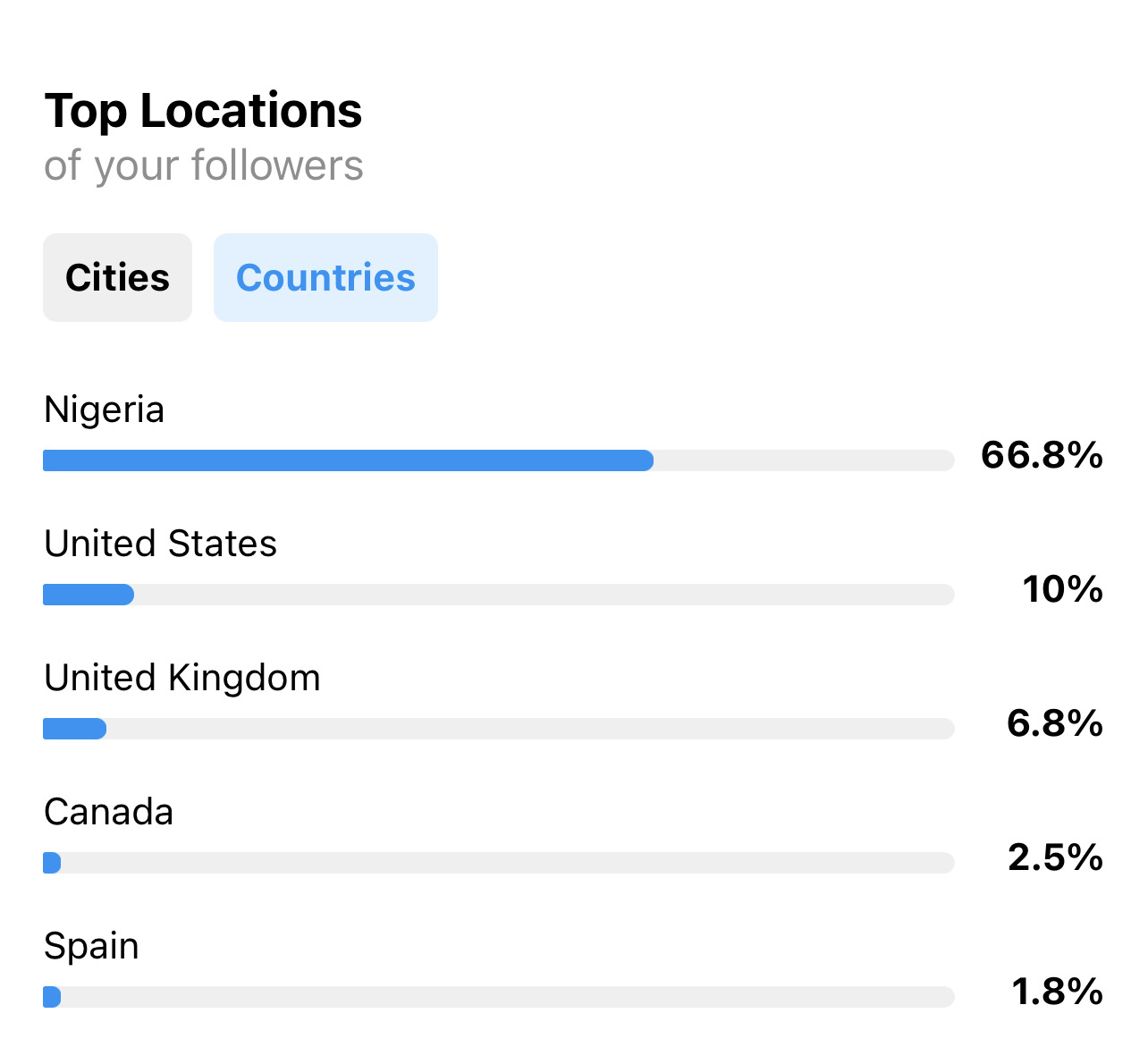
After you have identified where your followers are located, find out your audience's Instagram most active times.
Step 2: Check when your followers are most active on Instagram
How quickly you get engagement on your post determines its lifetime value. In other words, if you post at a time when your followers are online, you give your content an opportunity to be seen (and liked)!
Posting at the “peak online” time is pretty much hacking the Instagram algorithm.
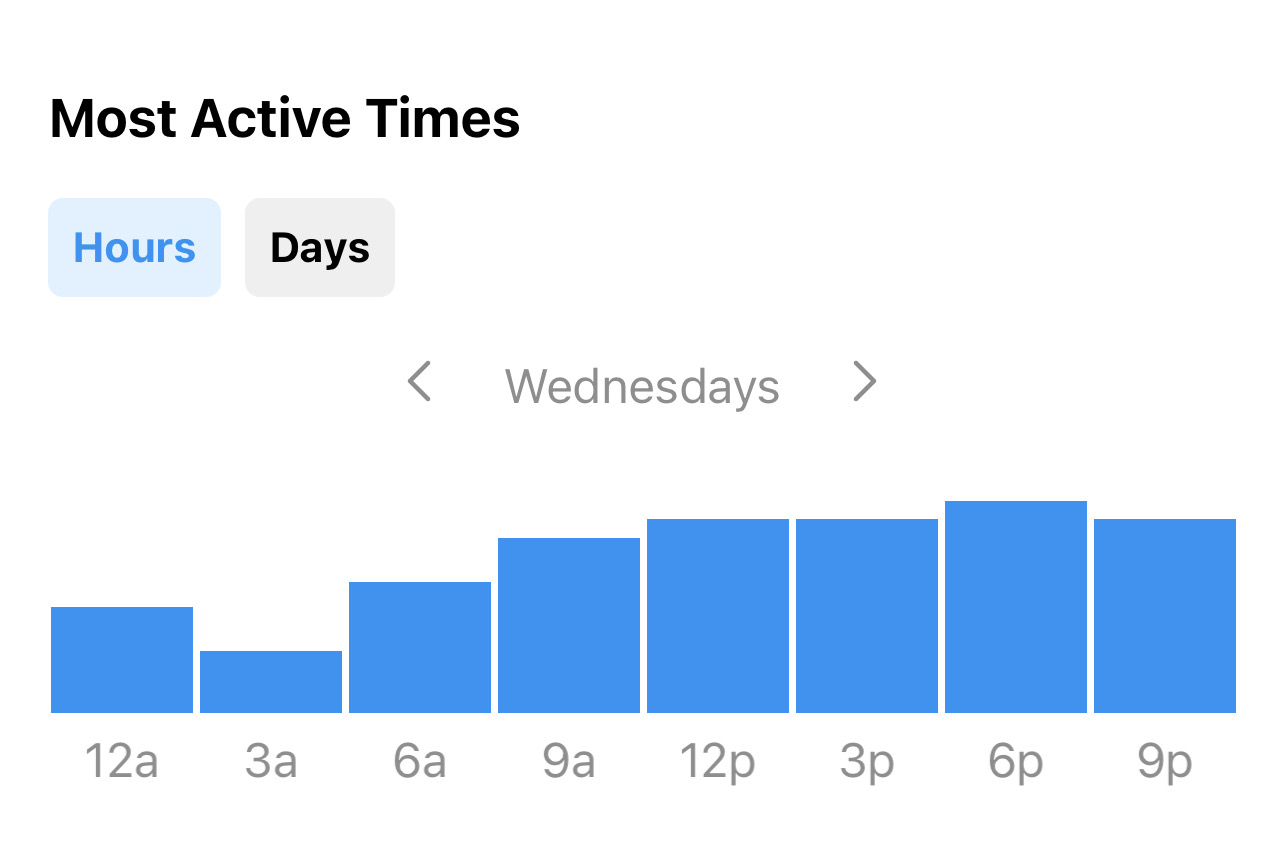
How to see when followers are most active on Instagram Insights
- Go to Instagram Insights.
- Go to the Followers section.
- Scroll a bit down, and you’ll see the Most Active Times section.
What to look for: The colors/density in the grid—darker colors = more active followers.
This is your primary data source: ignore industry averages and trust this data. If your followers are most active at 3 AM on Tuesdays (possible for night shift workers), that's your signal.
How to find the best time to post on Instagram with Iconosquare
If you need a more exact hour-by-hour breakdown, you can also consult Iconosquare. With our social media analytics features, you can see when the followers are online most (the most colored boxes) and when hardly anyone is online (the least colored spaces). You can find it in Analytics tab, in the Reach section.

What you want is simple: pick the hours when most of your followers are online and post on those specific hours.
Step 3: Analyze your top-performing posts
Once you’ve published enough content, analytics can compare your posting habits with your most successful content and let you know if you’re hitting the sweet spot and publishing at the time that’s best for you.
On Instagram, review your Insights → Posts and sort by:
- Engagement rate (not just likes—look at saves and shares)
- Reach (total impressions divided by followers)
On Iconosquare, you’ll be able to see this data in the Best Time to Post chart in the Engagement section.

The blue-colored circles represent your optimal posting times. And the smaller blue circles represent less optimal, but still effective times to post.
You can filter your results by engagement, likes, and reach, and select a data range on our date picker. The very best times are starred. For this case, that’s Wednesdays at 5pm.
It might take a few weeks for enough data to accumulate, but be patient! You can use this information in the future to help you choose the best days to share your content on Instagram to ensure you’re going to get the attention (and traffic) you deserve!
Step 4: Track your competitors’ posting habits
Above, we have seen the best time to post on Instagram depending on the industry. But the results are based on averages from a large amount of data. It is best practice identifying your immediate competitors and monitor when they post, plus which of their posts receive the most engagement.
Tracking your competitors' posting habits can provide valuable insights into their content strategy and help you optimize your own.
Unfortunately, Instagram Analytics doesn’t have a feature in its business tools for monitoring other accounts. Here are some tips on how to track and analyze your competitors' Instagram posting habits manually:
- Start by understanding their posting frequency to help you determine if you are under or over-posting. How often do they post? Daily? Weekly?
- Then, you can analyze their posting timing: What times of day do they post? Are there specific days when their engagement is higher? This can inform your own posting schedule.
- Finally, analyze what type of content (Reels, Stories, Videos, Carousels, Photos) they post and which ones have received the most engagement, which types of content get the most likes, comments, shares, and views.
You can follow these 3 steps manually by sifting through each competitor on Instagram with our social media competitive analysis template.
![Social Media Competitive Analysis Template Track competitors across platforms, analyze their content, posting habits, and engagement, and identify real opportunities to stand out.{{ include_custom_fonts({"Gilroy":["Audacieux","Moyen","Semi-gras"]}) }}](https://hubspot-no-cache-eu1-prod.s3.amazonaws.com/cta/default/143669362/interactive-262911768818.png)
... Or, you can keep an eye on all your competitors at once, effortlessly, thanks to Iconosquare's social listening feature! Our comparison chart gives you all the information you need, including the day and time they post most on Instagram.

It's up to you to try it out!
Step 5: Experiment and track results
Once you've identified your audience's active hours, test different times within that window.
Example testing sequence (if audience is most active 9 AM–12 PM):
- Week 1: Post at 9 AM (Monday–Friday)
- Week 2: Post at 10 AM (Monday–Friday)
- Week 3: Post at 11 AM (Monday–Friday)
- Week 4: Post at 12 PM (Monday–Friday)
Then analyze which hour got the best engagement. After 4 weeks, you have data showing whether 9 AM or 12 PM performs better for your specific audience.
Pro tip: Keep other variables constant: post similar content types (or identical content) at different times. If you post a Reel at 9 AM and a carousel at 12 PM, you won't know if the time or content type drove the difference.
How to schedule for your best time to post on Instagram?
To save time, you’re probably already generating Instagram captions and scheduling your Instagram posts for direct publishing. Well done. That means you’re sharing content consistently. What you can do now is to make sure you’re sharing it consistently at the right time.
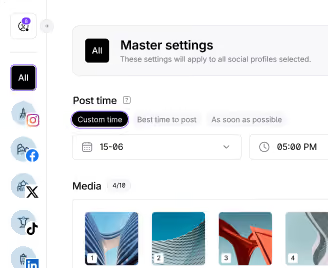
Iconosquare’s Scheduler is a quick way to schedule your Instagram content. Once you’ve posted enough of it, the Scheduler will indicate the most optimal time to post your media on Instagram with a little yellow star. 🌟

The yellow stars show you some of your best times to post. These are based on your top 5 best times to post (based on engagement) over the period of the last 3 months. So the more different timings you experiment with, the more accurate the suggestions will be!
The blue people show you when your followers are the most active.
It can be very useful if you’re, for example, located in Europe, while your main audience is in the US (like in our own case), you can still make sure your content gets seen despite the difference in time zones. Because let’s face it: being asleep while your audience is awake is, well… not ideal. 😅 So it’s great there’s now a way to get around this!
Common misconceptions about Instagram posting times (debunked)
Myth 1: "There's one universal best time"
Reality: No. Your audience's location, industry, and behavior are unique. A best time for fashion brands (noon) won't work for fitness brands (6 AM).
Myth 2: "Posting time only matters for the first 15 minutes"
Reality: While the first 15 minutes are crucial, Instagram now prioritizes long-term engagement (saves, shares, DMs) over immediate likes. A post from 8 hours ago can still go viral if it gets shared frequently.
Myth 3: "Weekends are always bad"
Reality: Weekends are lower engagement overall, but certain industries (retail, fashion, restaurants) see strong weekend evening performance. Weekend posts just need to compete with less overall content, so they actually have less competition.
Myth 4: "You should post multiple times per day at different times"
Reality: Post quality > post frequency. Posting once at the right time beats posting 5 times at random times. However, for Stories, 2–3 daily posts are standard practice.
Myth 5: "If you miss the best time, your post is doomed"
Reality: Posting at a suboptimal time reduces immediate reach by 20–30%, but great content still performs. Algorithm changes and audience growth matter more than posting 1 hour earlier or later.
FAQ: Your burning questions about Instagram posting times
Does posting time matter if I'm running Instagram ads?
Less so, but it still matters. Ads reach your target audience regardless of time, but organic reach from engagement still requires followers to see it naturally first. Post during peak times to maximize that organic boost, which amplifies ad performance.
How many times per day should I post on Instagram?
For feed posts: 1 high-quality post per day is ideal (posting 3+ times dilutes reach per post). For Stories: 2–3 times daily is standard. For Reels: 2–3 per week, always at peak times.
Should I post Reels and feed posts at the same time?
No. Reels peak 8 AM–12 PM and 6–9 PM. Feed posts peak 11 AM–2 PM and 5–7 PM. If you're posting once daily, prioritize Reels (they get better algorithmic reach).
What's the best day of the week to post on Instagram?
Tuesday–Thursday are universally strongest. Monday sees good morning engagement but drops off midday. Friday evening is strong. Weekends are weakest overall.
Does caption length affect engagement at specific times on Instagram?
Not directly, but longer captions work better when followers have time to read (mid-day, evening). Short captions work for quick morning scrolls.
How do I know if my posting time changed my engagement?
Use Insights → Total Followers → Most Active Times. If you've been posting at 7 PM and seeing good engagement, your followers' "Most Active Times" heat map should show dense coloring at 7 PM. This confirms you're posting at the right time.
What if my Instagram followers are internationally distributed?
Check your Audience section in Insights. If they're spread across 20+ countries with overlapping time zones, pick the time that captures 40%+ of your audience. You can't please everyone across all zones simultaneously.
Increase your reach by posting on the right time on Instagram
There is no magic posting time that works for everyone. What works for a fashion brand won't work for a B2B SaaS company. What works for your account in January won't work in July.
But what does work is data-driven decision making. By understanding your audience's location, analyzing your own top-performing content, and running intentional tests, you'll discover your unique best times—and that's when your reach multiplies.
Start with this guide's recommendations, trust your Instagram Insights, and commit to 4–6 weeks of consistent testing. The engagement boost you'll see is worth the investment.
Ready to find your best time? Go to your Insights right now, check your followers' active hours, and schedule your next post accordingly. You might see results immediately—or it might take a few weeks. Either way, you're now posting strategically instead of guessing.
Your Instagram success is waiting. Now go post at the right time. 📱✨
![Iconosquare is free for 14 days! With Iconosquare, take your social media in another level. Experience the easiest-to-use platform on the market for free ��{{ include_custom_fonts({"Gilroy":["Audacieux","Moyen","Semi-gras"]}) }}](https://hubspot-no-cache-eu1-prod.s3.amazonaws.com/cta/default/143669362/interactive-258640909509.png)
%201.svg)

%201.svg)
%201.svg)